Small Moves for Big Impact in the ENL Classroom
Back to BlogSmall Moves for Big Impact in the ENL Classroom
05/26/2026
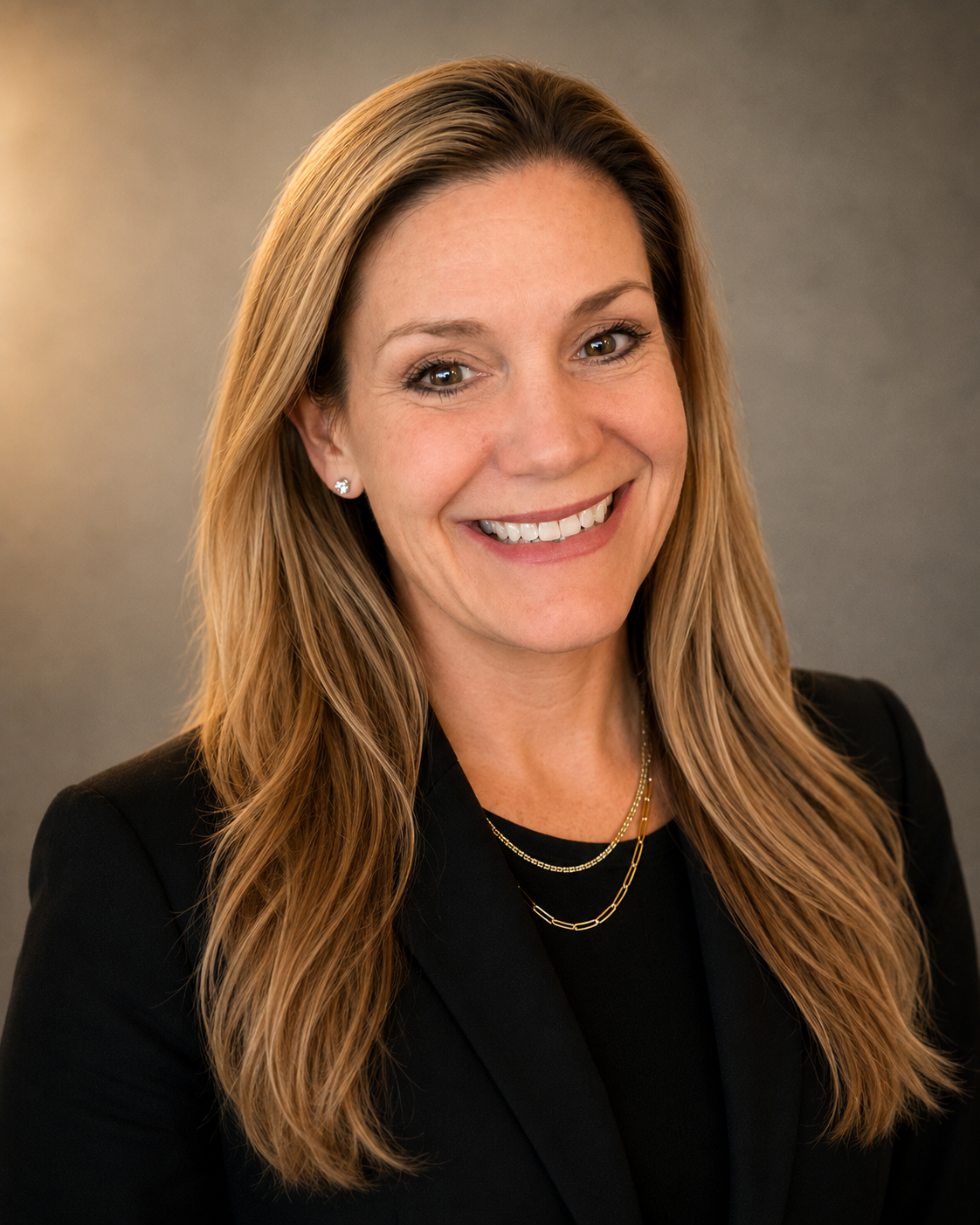
Written by Guest Blogger: Jennifer Carraher
What if collaboration — even in small pockets of time — could transform language learning into global connection? How can a simple pen pal project grow into a schoolwide celebration of culture, creativity, and authentic communication? What does it look like when multilingual learners are not just supported, but truly seen and valued? Read this blog post about creative ways to inspire the traits that NYS is looking for in its Portrait of a Graduate! Let's create global citizens by working together!
One of the biggest challenges of being an ENL teacher is finding enough time to collaborate, co-plan, and coordinate with classroom, content area, and general education teachers. At times, this also includes working alongside special education teachers and Academic Intervention Services providers, who are often just as stretched for time. Yet, even with many constraints in place, ENL teachers somehow manage to work a kind of magic, creating spaces where multilingual learners feel seen, valued, and connected to the world.
Over the past few years, I have been fortunate to work in a school district that supports multilingual learners and gives agency to educators who want to bring something extra into their classrooms. By approaching language as a bridge rather than a barrier, I have been able to collaborate with colleagues across content areas to design meaningful, student-centered experiences.
One example of this work was a grade-level pen pal project that connected all four of our fifth-grade classes with students in South Korea. What began as a writing exchange quickly grew into something much larger. Students explored Korean culture through interdisciplinary learning, creating Korean-themed projects in art, music, and physical education, while also building background knowledge in their classrooms. These experiences gave students the tools and confidence to communicate authentically with their South Korean peers. What might seem like a simple pen pal project became a powerful opportunity for global connection, cultural understanding, and purposeful language use.
Another initiative that made a lasting impact was the development of the Elementary Bilingual Achievement Award, a program designed to celebrate and promote multilingualism across grades K–5. Through this initiative, all students (not just English language learners) had the opportunity to study a language other than English. With the support of adult helpers, students completed choice board activities that demonstrated their abilities in speaking, reading, writing, and listening.
The impact of this program extended far beyond the classroom. Family surveys conducted before and after the program revealed how meaningful this experience was. For many families, it created opportunities for connection, like heritage speakers working alongside their children, grandparents sharing their language and stories, or even friends joining in the learning process. It became more than a school initiative. It became a bridge across generations and communities.
This year, we are continuing to build these global connections through our “Hello from Our School” project, a video exchange with an elementary school in Greece. Students are comparing what a typical day looks like, exploring similarities and differences in their school environments, and sharing their favorite places both inside and outside of their campuses. These exchanges are helping students see themselves as part of a larger, interconnected world.
These experiences also bring into focus ongoing challenges in our field. Across many schools, ENL educators continue to face limited time for collaboration, increasing demands, and uneven access to resources. Innovative, culturally responsive opportunities for multilingual learners should not depend on extra time or individual effort alone. They should be embedded into the system. Advocacy at the state and district level is essential to ensure that all multilingual learners have access to the kinds of rich, connected learning experiences they deserve.
These projects may seem small on the surface, but their impact is significant. They remind us that advocacy doesn’t only happen at the policy level. It happens in classrooms, in conversations, and in the intentional choices educators make every day. When we create opportunities for multilingual learners to use language authentically, to see their identities reflected in their learning, and to connect with others beyond their immediate environment, we are doing more than teaching. We are advocating.
And sometimes, that advocacy starts with just a little bit of collaboration, creativity, and what I like to think of as a bit of classroom “pixie dust.”
Written by Guest Blogger: Jennifer Carraher
What if collaboration — even in small pockets of time — could transform language learning into global connection? How can a simple pen pal project grow into a schoolwide celebration of culture, creativity, and authentic communication? What does it look like when multilingual learners are not just supported, but truly seen and valued? Read this blog post about creative ways to inspire the traits that NYS is looking for in its Portrait of a Graduate! Let's create global citizens by working together!
One of the biggest challenges of being an ENL teacher is finding enough time to collaborate, co-plan, and coordinate with classroom, content area, and general education teachers. At times, this also includes working alongside special education teachers and Academic Intervention Services providers, who are often just as stretched for time. Yet, even with many constraints in place, ENL teachers somehow manage to work a kind of magic, creating spaces where multilingual learners feel seen, valued, and connected to the world.
Over the past few years, I have been fortunate to work in a school district that supports multilingual learners and gives agency to educators who want to bring something extra into their classrooms. By approaching language as a bridge rather than a barrier, I have been able to collaborate with colleagues across content areas to design meaningful, student-centered experiences.
One example of this work was a grade-level pen pal project that connected all four of our fifth-grade classes with students in South Korea. What began as a writing exchange quickly grew into something much larger. Students explored Korean culture through interdisciplinary learning, creating Korean-themed projects in art, music, and physical education, while also building background knowledge in their classrooms. These experiences gave students the tools and confidence to communicate authentically with their South Korean peers. What might seem like a simple pen pal project became a powerful opportunity for global connection, cultural understanding, and purposeful language use.
Another initiative that made a lasting impact was the development of the Elementary Bilingual Achievement Award, a program designed to celebrate and promote multilingualism across grades K–5. Through this initiative, all students (not just English language learners) had the opportunity to study a language other than English. With the support of adult helpers, students completed choice board activities that demonstrated their abilities in speaking, reading, writing, and listening.
The impact of this program extended far beyond the classroom. Family surveys conducted before and after the program revealed how meaningful this experience was. For many families, it created opportunities for connection, like heritage speakers working alongside their children, grandparents sharing their language and stories, or even friends joining in the learning process. It became more than a school initiative. It became a bridge across generations and communities.
This year, we are continuing to build these global connections through our “Hello from Our School” project, a video exchange with an elementary school in Greece. Students are comparing what a typical day looks like, exploring similarities and differences in their school environments, and sharing their favorite places both inside and outside of their campuses. These exchanges are helping students see themselves as part of a larger, interconnected world.
These experiences also bring into focus ongoing challenges in our field. Across many schools, ENL educators continue to face limited time for collaboration, increasing demands, and uneven access to resources. Innovative, culturally responsive opportunities for multilingual learners should not depend on extra time or individual effort alone. They should be embedded into the system. Advocacy at the state and district level is essential to ensure that all multilingual learners have access to the kinds of rich, connected learning experiences they deserve.
These projects may seem small on the surface, but their impact is significant. They remind us that advocacy doesn’t only happen at the policy level. It happens in classrooms, in conversations, and in the intentional choices educators make every day. When we create opportunities for multilingual learners to use language authentically, to see their identities reflected in their learning, and to connect with others beyond their immediate environment, we are doing more than teaching. We are advocating.
And sometimes, that advocacy starts with just a little bit of collaboration, creativity, and what I like to think of as a bit of classroom “pixie dust.”
Post a new comment