NYS TESOL Is for Every Educator - Not Just ENL Teachers
Back to BlogNYS TESOL Is for Every Educator - Not Just ENL Teachers
02/21/2026
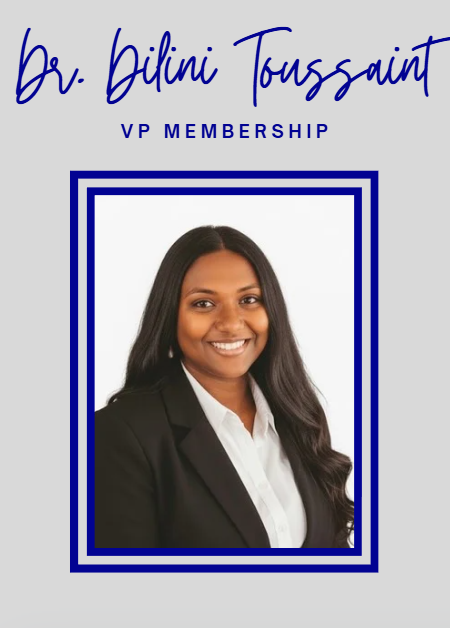
by Dilini Toussaint
I still remember sitting in a classroom as a new English learner, struggling to follow the lesson while trying to make sense of the words around me. I wanted to participate, to show what I knew, but without support, I felt invisible. That experience taught me something I carry into every classroom today: language is not extra. It is the pathway to learning.
Yet in schools, I still hear the phrase: “That’s an ENL thing.”
When we say this, even unintentionally, we create silos that separate language from learning. NYS TESOL exists to challenge that mindset.
NYS TESOL is not just for ENL teachers. It is for every educator who plays a role in supporting students.
Multilingual Learners Are Everyone’s Students
Multilingual learners spend most of their day in general education classrooms, engaging with grade-level content alongside their peers. Their success depends on collaboration among ENL teachers, classroom teachers, specialists, administrators, and support staff. From my own experience, I know how powerful it is when educators work together. When language supports are embedded into daily instruction, students don’t feel singled out, they feel included and capable. Language is how students access learning. When we treat it as a shared responsibility, we create classrooms where all students can thrive.
It’s Not “More Work” - It’s Better Work
Supporting English Language Learners should never feel like an extra task. If it does, we need to rethink the system, not the educator. Many of the strategies that support multilingual learners: visuals, modeling, sentence frames, structured talk, and scaffolding. Which are simply strong instructional practices. In fact, many educators are already doing this work without realizing it. What you do for one multilingual learner helps all students. Accessible instruction benefits everyone in the room.
Collaboration Is the Heart of the Work
NYS TESOL is built on collaboration. It brings educators together across roles to share ideas, learn from one another, and strengthen practice. ENL teachers are not meant to carry this work alone, and classroom teachers are not expected to be experts in everything. When we collaborate, we shift from asking, “Who is responsible?” to “How can we support this student together?” That shift changes everything for educators and for students.
Join Us
Join NYS TESOL. There are so many opportunities to learn, connect, and grow. If you’re unsure how to support multilingual learners without it feeling like more work, NYS TESOL offers practical, real-world ways to embed language support into what you already do. You may even realize that you’re already creating access for students every day.
NYS TESOL is not about doing more.
In fact, this year’s 56th Annual NYS TESOL Conference theme is: Many Hands, One Purpose: Partnering for Multilingual Learner Success is all about collaboration.
It’s a perfect opportunity to see how working together across roles can make instruction more effective for all students.
by Dilini Toussaint
I still remember sitting in a classroom as a new English learner, struggling to follow the lesson while trying to make sense of the words around me. I wanted to participate, to show what I knew, but without support, I felt invisible. That experience taught me something I carry into every classroom today: language is not extra. It is the pathway to learning.
Yet in schools, I still hear the phrase: “That’s an ENL thing.”
When we say this, even unintentionally, we create silos that separate language from learning. NYS TESOL exists to challenge that mindset.
NYS TESOL is not just for ENL teachers. It is for every educator who plays a role in supporting students.
Multilingual Learners Are Everyone’s Students
Multilingual learners spend most of their day in general education classrooms, engaging with grade-level content alongside their peers. Their success depends on collaboration among ENL teachers, classroom teachers, specialists, administrators, and support staff. From my own experience, I know how powerful it is when educators work together. When language supports are embedded into daily instruction, students don’t feel singled out, they feel included and capable. Language is how students access learning. When we treat it as a shared responsibility, we create classrooms where all students can thrive.
It’s Not “More Work” - It’s Better Work
Supporting English Language Learners should never feel like an extra task. If it does, we need to rethink the system, not the educator. Many of the strategies that support multilingual learners: visuals, modeling, sentence frames, structured talk, and scaffolding. Which are simply strong instructional practices. In fact, many educators are already doing this work without realizing it. What you do for one multilingual learner helps all students. Accessible instruction benefits everyone in the room.
Collaboration Is the Heart of the Work
NYS TESOL is built on collaboration. It brings educators together across roles to share ideas, learn from one another, and strengthen practice. ENL teachers are not meant to carry this work alone, and classroom teachers are not expected to be experts in everything. When we collaborate, we shift from asking, “Who is responsible?” to “How can we support this student together?” That shift changes everything for educators and for students.
Join Us
Join NYS TESOL. There are so many opportunities to learn, connect, and grow. If you’re unsure how to support multilingual learners without it feeling like more work, NYS TESOL offers practical, real-world ways to embed language support into what you already do. You may even realize that you’re already creating access for students every day.
NYS TESOL is not about doing more.
In fact, this year’s 56th Annual NYS TESOL Conference theme is: Many Hands, One Purpose: Partnering for Multilingual Learner Success is all about collaboration.
It’s a perfect opportunity to see how working together across roles can make instruction more effective for all students.
Post a new comment