From Multilingual Learner to Educational Leader: My Journey as a WIDA Fellow
Back to Blog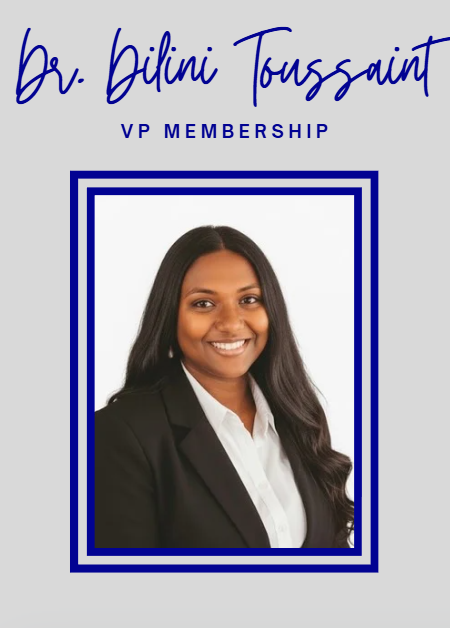
By Dr. Dilini Toussaint | WIDA Fellow, 2026-2027
VP Membership, NYS TESOL, 2026-2027
Being selected as a WIDA Fellow for the 2026-2027 cohort has been an incredible honor and opportunity for professional growth. Attending the WIDA Annual Conference allowed me to connect with educators and leaders who share a commitment to multilingual learner success, educational equity, and creating inclusive learning environments.
My connection to this work is deeply personal. I immigrated to the United States from Sri Lanka at age 11 without knowing English. As a multilingual learner, I experienced the challenges of navigating a new language, culture, and educational system. Those experiences shaped my passion for English as a New Language (ENL) education and continue to influence my work today. Having served as an ENL teacher and now as a K–12 ENL Coordinator, I understand the importance of ensuring multilingual learners receive the support, opportunities, and encouragement they deserve.
Building Communities and Creating Belonging
One of the most meaningful moments of the conference was the keynote by Cristina Henríquez, author of The Book of Unknown Americans and The Great Divide. Her message focused on creating community, nurturing relationships, and making sure people feel that they belong. She reminded educators that we are continually building gateways for others to enter and participate in our communities.
Her message resonated with me because multilingual learners and their families are often navigating unfamiliar schools, communities, and educational systems. As educators, we have the responsibility to make these spaces welcoming and inclusive.
The conference closed with a powerful keynote from Diep Nguyen, who shared her experience arriving in the United States as a refugee from Vietnam in the 1970s and beginning school with limited English proficiency. Her story reminded me of my own journey and reinforced why multilingual learner education matters. Our students are more than language proficiency levels or assessment scores. They are individuals with unique stories, strengths, experiences, and potential.
Learning from Leaders in Multilingual Education
The conference also provided opportunities to learn from respected leaders in education. Dr. Kate Kinsella’s session, Collaborating Across Content Areas to Implement Schoolwide ELD Instructional Routines, reinforced the importance of making language development a shared responsibility across content areas. Supporting multilingual learners requires collaboration among ENL teachers, classroom teachers, special education teachers, and school leaders.
Marcelle Haddix’s session, Literacy for All: Centering Multilingual Learners, highlighted the importance of placing multilingual learners at the center of literacy instruction. These sessions encouraged me to continue thinking about how educators can create meaningful learning opportunities that recognize students’ linguistic and cultural strengths while supporting their academic growth.
My Biggest Takeaways as a K–12 ENL Coordinator
My biggest takeaway from the WIDA Conference was that supporting multilingual learners is a shared responsibility. Effective ENL programming requires strong collaboration, intentional instructional practices, thoughtful use of assessment data, and meaningful partnerships with families.
As a K–12 ENL Coordinator at RocSci, I want to apply these insights by strengthening our ENL program, supporting teachers in integrating language development into content instruction, and advocating for equitable opportunities for multilingual learners. I also want to ensure that decisions about students reflect a comprehensive understanding of their educational backgrounds, home languages, academic strengths, and individual needs.
The conference reinforced my belief that multilingualism is an asset. Students should not have to leave their languages, cultures, or identities behind to succeed in school. Instead, educators should build on those strengths to help students develop language proficiency, access rigorous academic content, and reach their full potential.
The Powerful Impact of Educators
The WIDA Conference reminded me that educators do more than teach language and academic content. We build confidence, foster belonging, create opportunities, and open doors for students and families.
As someone who entered American schools without knowing English, I understand how deeply educational experiences can shape a student's future. Today, I carry that experience into my leadership and advocacy for multilingual learners.
When educators collaborate, recognize students’ strengths, and advocate for equitable opportunities, we can transform not only individual students’ lives but entire school communities.
Being a WIDA Fellow is more than participating in professional learning. It is an opportunity to bring new knowledge, perspectives, and ideas back to our schools and communities and turn them into meaningful action.
I am grateful for this opportunity to learn, connect, and grow alongside educators who share this commitment. I look forward to continuing to build inclusive educational communities where multilingual learners are seen, valued, and empowered to succeed.
One educator can open a door, but a community of educators can change a student’s future.